This fact sheet describes how front-of-package labels can help consumers make informed, healthier choices and encourage industry to improve the nutritional profile of their products and portfolios. Learn about the different kinds of front-of-package labels in use around the world today, evidence for different label types, and key considerations and best practices for developing and implementing an effective front-of-package labeling policy.
Food system sustainability
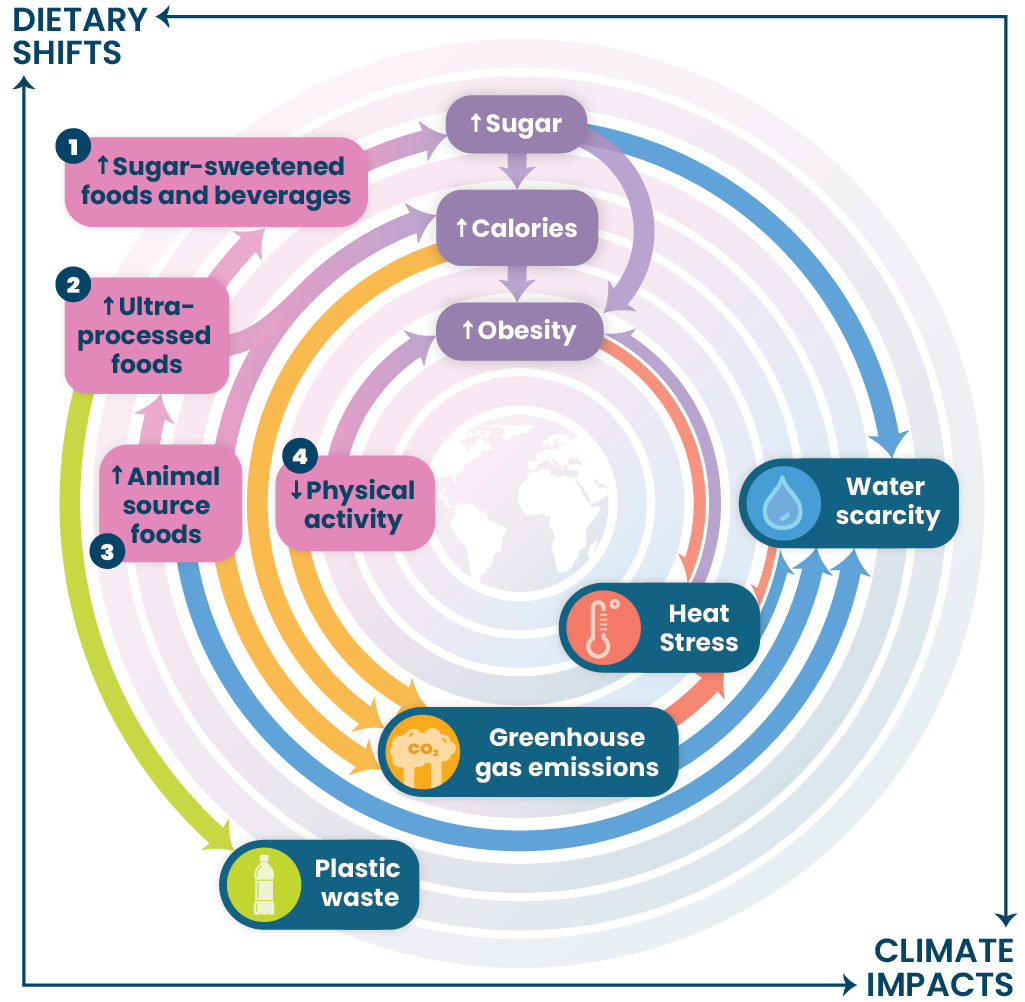
Climate change and extreme weather events are reshaping the foods we are able to grow, access, and eat. Heat waves, floods, droughts, and other climate shocks can disrupt food and water supplies, raise prices, and limit access to fresh, nutritious foods, while shelf-stable, ultra-processed foods and sugary drinks often become more available and more heavily marketed. Together, these shifts may worsen diet quality and accelerate the rising burden of cardiometabolic diseases such as obesity, type 2 diabetes, and hypertension.
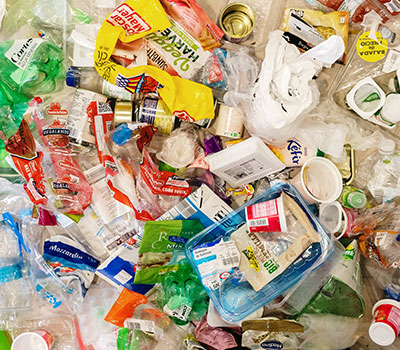
At the same time, our food system and consumption patterns contribute to climate and environmental change through greenhouse gas emissions, water use, plastic pollution, and food waste.
Our team researches both sides of this dynamic. We generate new evidence on how climate change and extreme weather affect diet quality and cardiometabolic disease risk, with a focus on the populations most vulnerable to these impacts. We also design and test policies and interventions, such as taxes, front-of-package labels, and food waste prevention programs, that can help achieve health and sustainability goals at the same time.
 Our current and recent research in this area includes:
- Studying the impact of climate change on diet quality and cardiometabolic disease risk in Bangladesh in collaboration with BRAC University (Wellome Trust)
- Examining how extreme weather events affect cardiometabolic disease risk in Australia and the East Asia Pacific (Fulbright)
- Synthesizing evidence on environmental change and dietary patterns (NIH ADVANTAGE)
- Developing a household-level intervention to prevent edible food waste using human-centered design (Environmental Protection Agency)
- Designing & testing policies with health and environmental co-benefits (Wellcome Trust)
- Testing sustainability-focused front-of-package labels, such as an eco-score label, and exploring whether sustainability claims create a “health halo” around less healthy and ultra-processed products
- Evaluating changes to sustainability claims as an unintended consequence of nutrient labeling policies in Latin America
- Evaluating the effectiveness of Meatless Monday campaign messages for encouraging US adults to eat less meat
Read our recent editorial in American Journal of Public Health: Beyond the Body: Environmental tolls of ultra-processed foods.
Resources
This fact sheet presents fiscal policy options to improve access to and demand for healthy, whole and minimally processed foods. This includes a range of demand-side policies to increase consumer purchasing power and supply-side policies to increase the availability of healthy foods. Policy and program examples and evaluations are included from countries around the world, with a focus on low- and middle-income settings.
This fact sheet describes ultra-processed foods and drinks and the threat they pose to public health worldwide as they make up increasingly greater portions of the global diet. Learn how to identify ultra-processed products; review the evidence for their association with a multitude of risk factors, diseases, and mortality; see how ultra-processed foods negatively impact the environment and ecosystems; and explore policy options to reduce consumption.